A Practical Guide to Retail Digital Signage Implementation
Retail digital signage has become an essential tool for modern retailers seeking to enhance shopper engagement, increase sales, and deliver dynamic in-store experiences. As consumers grow more accustomed to digital touchpoints, retailers must adopt solutions that provide real-time information, compelling visuals, and interactive features that influence purchasing decisions. Retail digital signage serves as a powerful medium to unify branding, promote products, and streamline communication within the store environment.
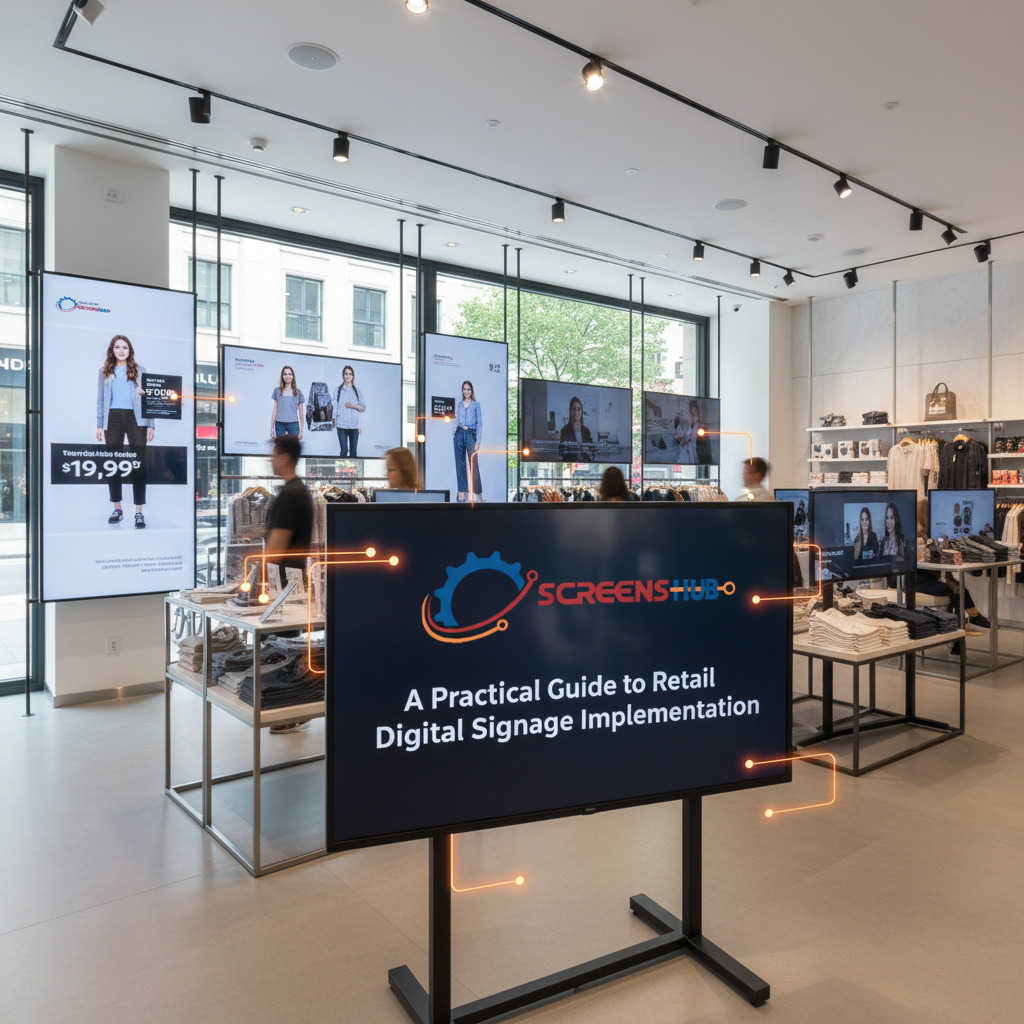
Retail digital signage refers to the use of digital displays—such as LED screens, video walls, kiosks, and interactive touchscreens—to deliver promotional, informational, and personalized content in retail settings. These systems help retailers stay competitive by transforming traditional static signage into dynamic, data-driven communication tools.
Screenshub, a trusted leader in retail digital signage solutions, offers end-to-end capabilities including consulting, hardware, installation, content creation, and analytics. This practical guide provides retailers with a step-by-step approach to successfully implementing retail digital signage, supported by insights and proven best practices from Screenshub.
Understanding Retail Digital Signage
Retail digital signage is specifically designed to enhance the shopper experience and support in-store marketing initiatives. Unlike traditional signage or generic digital displays, retail-focused systems deliver content tailored to customer behavior, store layout, and promotional strategies.
Definition and Purpose
Retail digital signage communicates targeted messages to shoppers at strategic moments in their purchasing journey. It can promote new products, highlight offers, guide customers through the store, or provide interactive features to support product discovery.
Key Differences from Other Signage Types
- Audience focus: Designed for consumer-facing environments with high foot traffic.
- Content strategy: Emphasis on promotions, product education, and brand storytelling.
- Environment-specific durability: Displays optimized for brightness, viewing angles, and 24/7 operation.
Hardware and Software Overview
Common retail digital signage components include:
- LED and LCD displays
- Touchscreens and kiosks
- Media players
- Mounting systems
- Cloud-based content management software (CMS)
Screenshub’s Retail Digital Signage Portfolio
Screenshub provides a wide range of retail-specific solutions, including commercial-grade displays, interactive kiosks, custom enclosures, and an advanced CMS tailored for multi-location retail operations.
Planning Your Retail Digital Signage Strategy
A successful retail digital signage deployment begins with clear objectives and a well-defined strategy.
Setting Clear Objectives
Retailers must determine what they want to achieve, such as:
- Increasing brand awareness
- Highlighting promotions and special offers
- Educating customers about products
- Enhancing store navigation
- Improving customer engagement through interactive features
Screenshub’s consulting services help retailers define strategic goals and develop signage plans aligned with customer behavior and business outcomes.
Identifying Target Audience and Locations
Understanding who will see the signage—and where—is essential.
Key considerations include:
- Shopper demographics
- Peak traffic hours
- In-store movement patterns
- Product zones requiring promotional support
Prime signage locations include entrances, checkout zones, end caps, aisles, and product display areas. Screenshub offers site assessments and analytics to identify optimal placement for maximum impact.
Content Strategy Development
Effective content strategies consider:
- Content types: Promotional offers, brand messages, product demonstrations, interactive quizzes, and loyalty program highlights
- Frequency: How often should rotate to avoid fatigue
- Timing: Triggering content based on time of day, events, or customer flow
Screenshub provides comprehensive content design services, ensuring visuals are on-brand, engaging, and optimized for retail environments.
Choosing the Right Digital Signage Technology
The next step is selecting the appropriate technology that meets operational and branding needs.
Display Types and Features
Retailers can choose from:
- LED displays: Ideal for high brightness and long-distance visibility
- LCD displays: Suitable for indoor promotions and informational screens
- Touchscreen kiosks: Enable self-service and product exploration
- Interactive displays: Enhance user engagement through touch or gesture input
Retail displays must withstand constant use, offer optimal brightness, and provide wide viewing angles. Screenshub supplies fully customizable display options tailored for varied retail environments.
Software and Content Management Systems
A robust CMS is vital for managing content efficiently across multiple screens and locations.
Key CMS features:
- Cloud-based access
- Remote content updates
- Scheduling and automation tools
- Multi-user access
- Performance analytics
Screenshub’s cloud-based CMS allows retailers to update content instantly, automate seasonal campaigns, and monitor display performance in real time.
Integration with Retail Systems
Retail digital signage becomes even more powerful when integrated with systems such as:
- POS systems
- Inventory management platforms
- Customer relationship management (CRM) tools
- Loyalty programs
Screenshub ensures seamless integration, enabling dynamic content such as real-time pricing, product availability, and personalized promotions.
Installation and Deployment Best Practices
Proper installation and configuration ensure that signage performs reliably and meets customer expectations.
Technical Installation
Key considerations include:
- Viewing height and angles
- Mounting hardware selection
- Ventilation and heat management
- Cable routing and power access
Screenshub’s professional installation team ensures each display is safely mounted, optimally positioned, and fully compliant with technical and safety standards.
Testing and Troubleshooting
Retailers must thoroughly test:
- Playback quality
- Network connectivity
- Touchscreen responsiveness
- Content accuracy
Screenshub provides ongoing technical support, maintenance, and troubleshooting to minimize downtime and ensure high performance from day one.
Content Creation and Management
The success of retail digital signage is largely dependent on the quality of its content.
Engaging and Relevant Content
Effective content uses:
- High-quality visuals
- Clear message hierarchy
- Concise calls-to-action
- Brand-consistent color palettes and typography
Video, animation, and interactive content significantly increase engagement. Screenshub’s creative services team specializes in producing compelling retail content tailored to promotional strategies.
Dynamic Content Updating
Retail campaigns change frequently. Digital signage must adapt quickly to reflect:
- Seasonal promotions
- Flash sales
- New product launches
- Inventory updates
Screenshub’s CMS enables real-time content updates, ensuring accuracy and relevance at all times.
Measuring Effectiveness and ROI
Retailers must track results to ensure signage investments drive measurable impact.
Key Metrics to Track
Important KPIs include:
- Customer engagement levels
- Sales uplift for promoted items
- Dwell time near displays
- In-store traffic patterns
- Content interaction metrics (for touchscreens)
Screenshub’s analytics and reporting tools provide meaningful insights into signage performance.
Optimizing Based on Data
Improvement strategies include:
- A/B testing different content versions
- Adjusting placement based on traffic data
- Updating visuals to maintain freshness
Screenshub offers expert guidance on continuous optimization to maximize ROI.
Addressing Common Challenges in Retail Digital Signage
Some challenges retailers may face include:
- Technical failures
- Content fatigue
- Budget limitations
- Difficulty managing multi-store deployments
Screenshub delivers robust support services, comprehensive training, and scalable solutions that help retailers avoid or overcome these barriers.
Future Trends in Retail Digital Signage
Retail digital signage continues to evolve with emerging technologies.
Future innovations include:
- AI-powered personalization: Tailored promotions based on customer profiles
- Programmatic content: Automated content matching to real-time data
- Augmented reality: Interactive product try-ons and immersive brand experiences
- Smart sensors and IoT: Triggered content based on shopper movement
Screenshub actively invests in developing next-generation technologies to keep retailers ahead of the curve.
Conclusion
Retail digital signage offers powerful opportunities to enhance shopper experiences, drive sales, and streamline in-store operations. Successful implementation requires careful planning, the right technology, engaging content, and ongoing optimization. Screenshub provides retailers with the expertise, tools, and support needed to design, deploy, and manage retail digital signage systems that deliver measurable results.
Businesses looking to upgrade their in-store communication and marketing strategies can explore personalized solutions at screenshub.com, where Screenshub’s experts are available to support every stage of the implementation process.